How to Clean a Hockey Helmet: Care and Club Handover
Clean a hockey helmet using its own manual, check the cage separately, and record drying, damage and label observations with a club handover checklist.
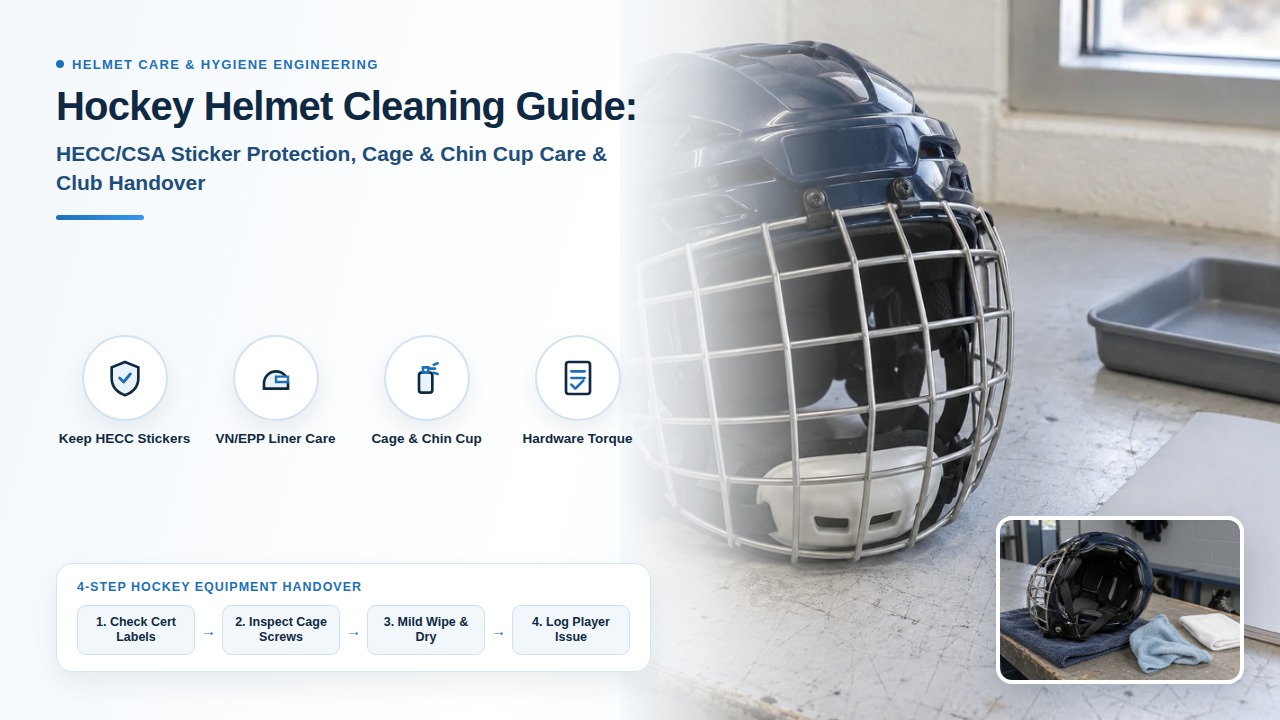
Cleaning a hockey helmet by the same method as the team’s washable kit can put its padding or attachments through care the helmet manual never permits. Identify the helmet and face protector, follow their separate care instructions, then record drying and any condition that prevents return to use.
For a club equipment manager, the job is complete when the helmet has a documented care result and a clear handover status. The worked examples below use specific manufacturer booklets. They do not authorize the same method for every hockey helmet, a goalie mask or a cleaning cabinet.
| Check before starting | Where to look | Decision to record |
|---|---|---|
| Helmet identity | Model marking and helmet booklet | Which instructions apply? |
| Cage, shield and chin cup | Accessory identity and its booklet | Which components need separate care? |
| Removal permission | Instructions for the actual component | Leave attached, or remove by the specified method? |
| Incoming condition and labels | Helmet, owner report and applicable instructions | Proceed with care, hold or refer? |
| Drying and handover | Care instructions and staff observations | What was completed and what remains unresolved? |
Match each component to its instructions
Start one record per helmet. Write down the helmet model and size, the face-protector model, and any separate chin cup, strap, visor or electronic accessory. Save the relevant booklet version or filename beside that record. A cage fitted to a helmet does not establish that the two share one cleaning instruction.
Do not pull out a liner because it looks detachable. Find the removal instruction first; if none applies, leave the part in place and hold any step that depends on removing it. Keep permitted removable items associated with that helmet throughout the job. The padding intake guide explains the distinction between comfort parts, fixed interiors and impact liners.
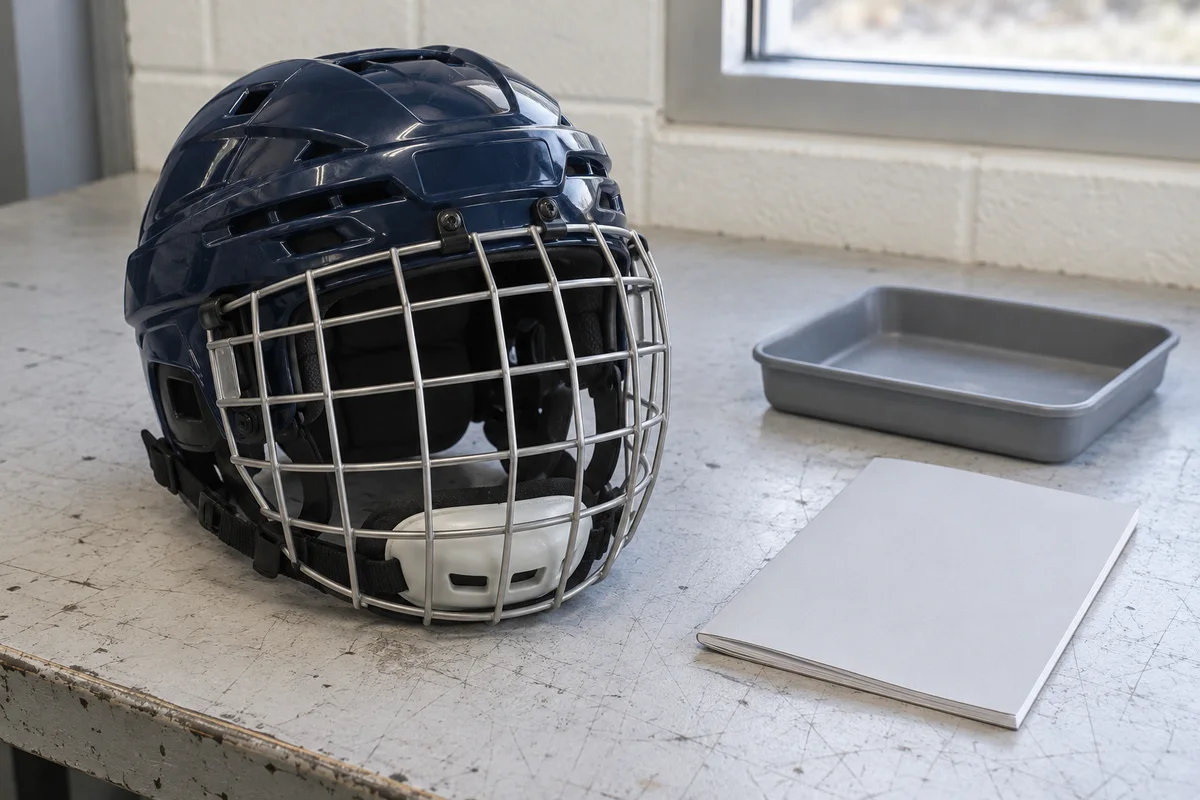
For a mixed fleet, make a separate care entry for each identified model and accessory combination. Write “Unknown / verify on the unit” where identity or instructions are missing. An unresolved entry is a question for the owner or manufacturer, not a setting for staff to guess.
Clean by the documented method: a limited worked example
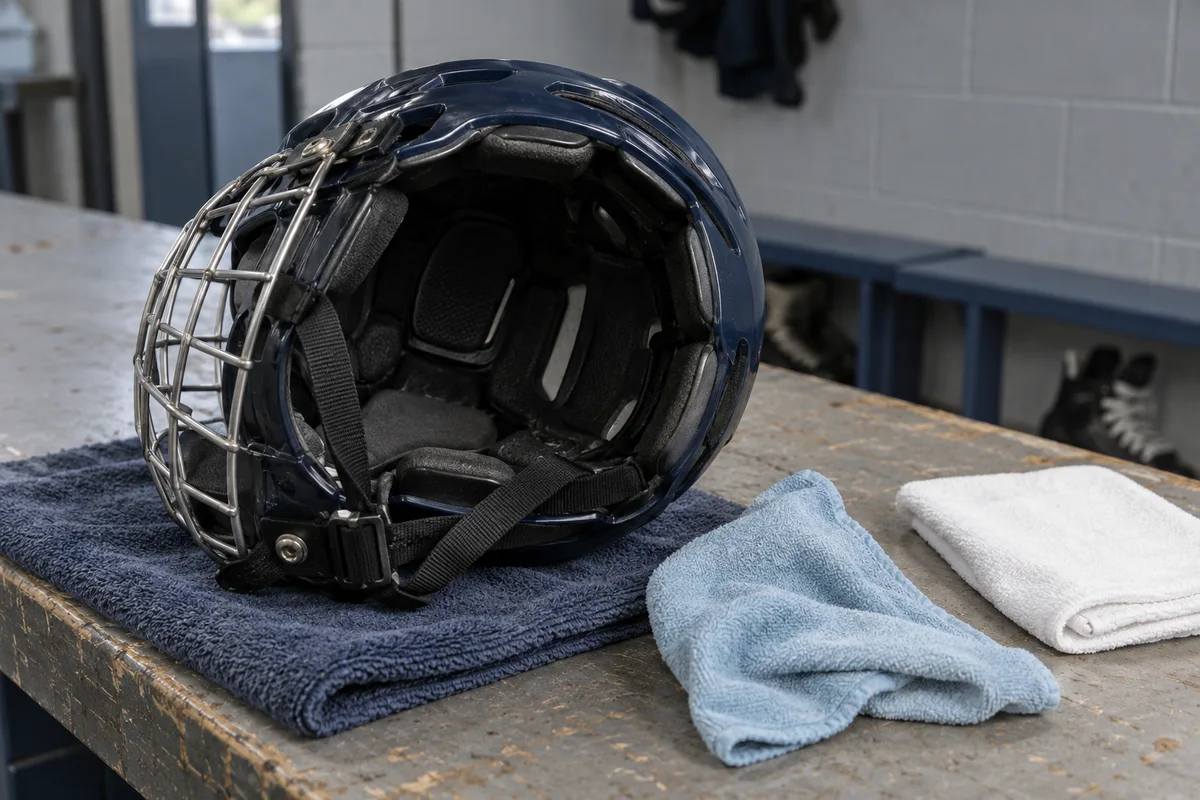
The BAUER RE-AKT 155 / Sensor Ready booklet’s English maintenance section specifies mild soap with a damp cloth, followed by wiping with a clean, dry cloth. It requires drying after use and keeping the helmet out of direct sunlight. It restricts other chemicals to those specifically approved and sold by the maker for that helmet. These instructions belong to the named models. Helmet booklet, English maintenance section.
For staff using that documented cloth-care route, arrange the work in this order:
- Read and inspect. Match the helmet to the document and record incoming concerns before cleaning.
- Keep the assembly within scope. Follow any component-specific removal instructions; do not improvise dismantling for access.
- Carry out the permitted cloth cleaning. Work on the surfaces covered by the applicable instruction. Keep separate accessory instructions available.
- Complete the specified wipe and drying steps. Record what was done rather than adding an assumed temperature or drying duration.
- Check and hand over. Record final observations, assembly questions and a completed, held or referred status.
This sequence organizes staff work; it adds no detergent concentration, soaking method or treatment cycle. For broader public guidance, the CDC hockey helmet fact sheet advises warm water and mild detergent, while excluding soaking, strong cleaners and proximity to high heat. Use the actual model’s instructions to resolve the method for the helmet in front of you.
Do not substitute a sports spray, alcohol mixture or disinfectant wipe merely because another team uses it. Check the exact product against the component’s instructions. If a separate hygiene treatment is requested, use the cleaning and disinfection guide to identify the additional evidence needed; this cloth-care example establishes no disinfection result.
Check the cage and chin cup separately
The BAUER CONTOUR 2 face-protector booklet supplies its own maintenance section: mild soap and a damp cloth, a clean dry-cloth wipe, drying after use and no direct sunlight. It also restricts chemicals, including anti-fog products, to those approved and sold specifically for that protector. Its inspection section requires replacement for dents, cracks, other damage or a violent impact that could reduce protection. Face-protector booklet, English inspection and maintenance sections.
Keep the chin cup and straps on the component list even when they remain attached. If the manual does not answer a proposed removal or washing step, hold that step and obtain clarification. A removable-looking fastener is not a cleaning instruction. Where the assembly includes an optical shield, use its own care document; the visor and insert checks explain why an optical surface needs a separate decision.
After any permitted removal, use the actual installation instructions for refitting. Record an unresolved fastening or fit issue rather than checking “complete” because the parts are back together. The two booklets used here are separate examples; their inclusion does not establish that every size or helmet/protector combination is compatible.
Record damage and label observations before return
The helmet booklet requires inspection before use and replacement for degraded foam or internal attachments, a cracked or deformed shell, or a severe impact. Its additional-information section locates the HECC-related certification expiry on the rear sticker. Record what the actual label says; cleaning does not renew it. These are model-specific instructions, not a club recertification procedure. Helmet booklet, English inspection and additional-information sections.
| Finding during this job | Suggested club handling | Handover entry |
|---|---|---|
| Model or care document missing | Hold the unsupported care step | Missing identity or document; person following up |
| Damage or reported impact | Follow the actual manufacturer’s replacement or referral instruction | Location, owner report and action taken |
| Label absent, unreadable or apparently expired | Hold the eligibility decision for the responsible club official | Exact visible wording or “unreadable”; follow-up owner |
| Drying incomplete | Keep the item out of the completed-care group | Damp area and next check |
| Attachment, accessory or fit question | Hold handover for the applicable instruction | Component and unresolved question |
These are suggested administrative routes. A staff photograph, a ticked box or an intact-looking shell cannot certify protective performance. Keep the care record available to the person responsible for the team’s equipment decisions.
Complete a club handover record
Use the table below for each received helmet, or download the same blank record as a CSV. Copy the actual instructions and observations into the record; leave unknown values as “Unknown / verify on the unit.” This is an operator template, not a manufacturer form or a safety test.
| Record field | Entry to complete |
|---|---|
| Job and custody | Date; club helmet ID; wearer or team reference; operator |
| Component identities | Helmet model and size; cage/shield; chin cup; straps; other accessories |
| Instruction basis | Manual filename/version and section for each component |
| Permitted method | Materials; removal permission; drying and refitting requirements |
| Incoming findings | Visible condition; reported impact; label wording and any visible expiry |
| Care actually done | Component; method; responsible operator; unresolved step |
| Final observations | Drying observation; visible condition; refitting or fastening concern |
| Handover status | Care completed within scope / held / referred; reason; next action; responsible person |
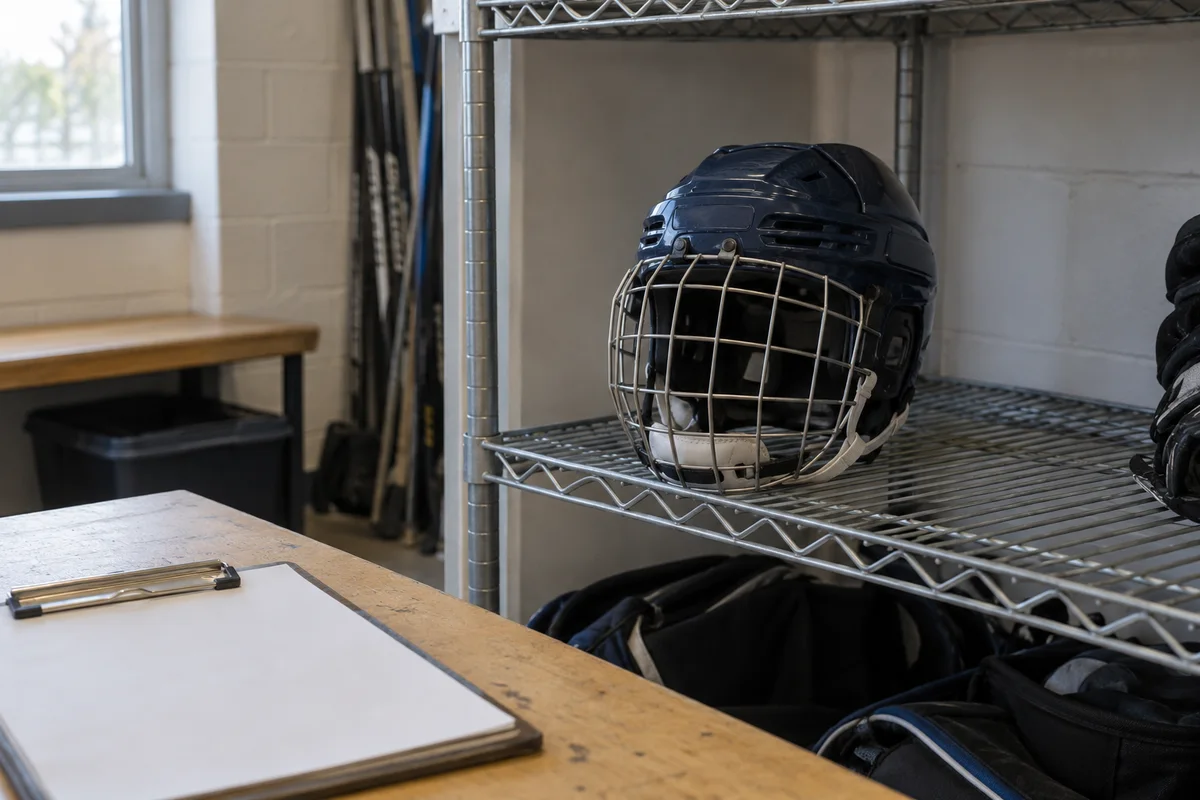
Keep items awaiting drying or a decision separate from those whose care is complete. Close the record with the outstanding action and its owner, even when the helmet is being returned on hold. Add this component record to the site intake and release SOP so the next operator sees both the work and the exception.
For a team equipment room handling more than one sport, use the football helmet batch cleaning and sanitizing SOP for football-specific component checks, disinfection decisions and a batch care log. Keep the football model instructions separate from the hockey booklets used here.
Keep cabinet enquiries separate from manual care
Neither of these booklets establishes permission to process the helmet or face protector in an HCE cabinet. This guide makes no claim that HCE equipment supports these hockey models. Any proposed equipment route needs its own documented process scope and component permission before acceptance.
For an equipment enquiry, the useful inputs are the same ones established above:
| Item | Why it is needed | Example format |
|---|---|---|
| Helmet and accessory identities | Defines the proposed accepted set | Model list with component photographs |
| Applicable care documents | Shows the permitted methods and restrictions | Booklet files with relevant sections |
| Proposed process and unresolved questions | Makes the equipment question specific | Written process description and held record fields |
Send that model list, care documents and proposed process through the HCE contact page for an equipment configuration and quotation discussion. Keep repair, replacement and participation-eligibility questions with the helmet manufacturer and responsible club official.
Method and sources
Compiled from the linked BAUER helmet and face-protector booklets and CDC hockey helmet fact sheet, fetched on October 15, 2026. The manufacturer examples retain their named-model scope. The club sequence, routing table and blank handover record are editorial working aids, with no prefilled settings, trial results or certification outcome. This guide covers player-helmet care documentation; goalie masks, electronic-accessory servicing, repair and reconditioning require their own instructions.
Related articles
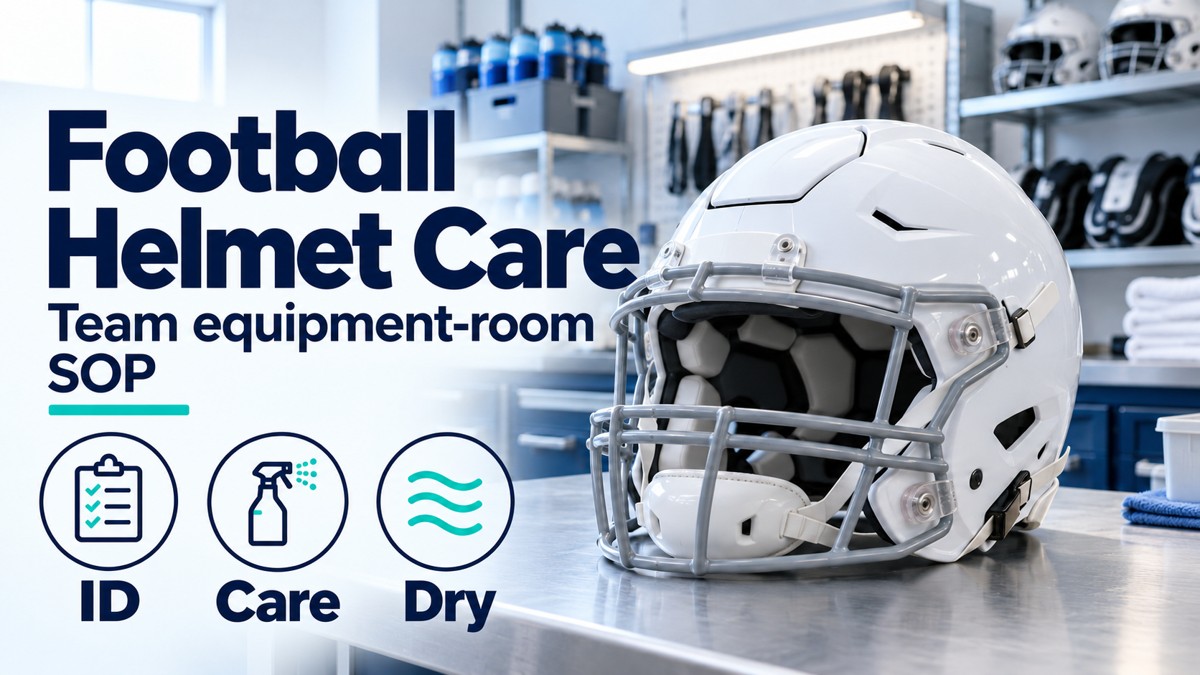
How to Clean a Football Helmet: Team Equipment-Room SOP
Run a football helmet cleaning and sanitizing SOP with component checks, disinfectant label decisions, batch planning and a downloadable team care log.
Read article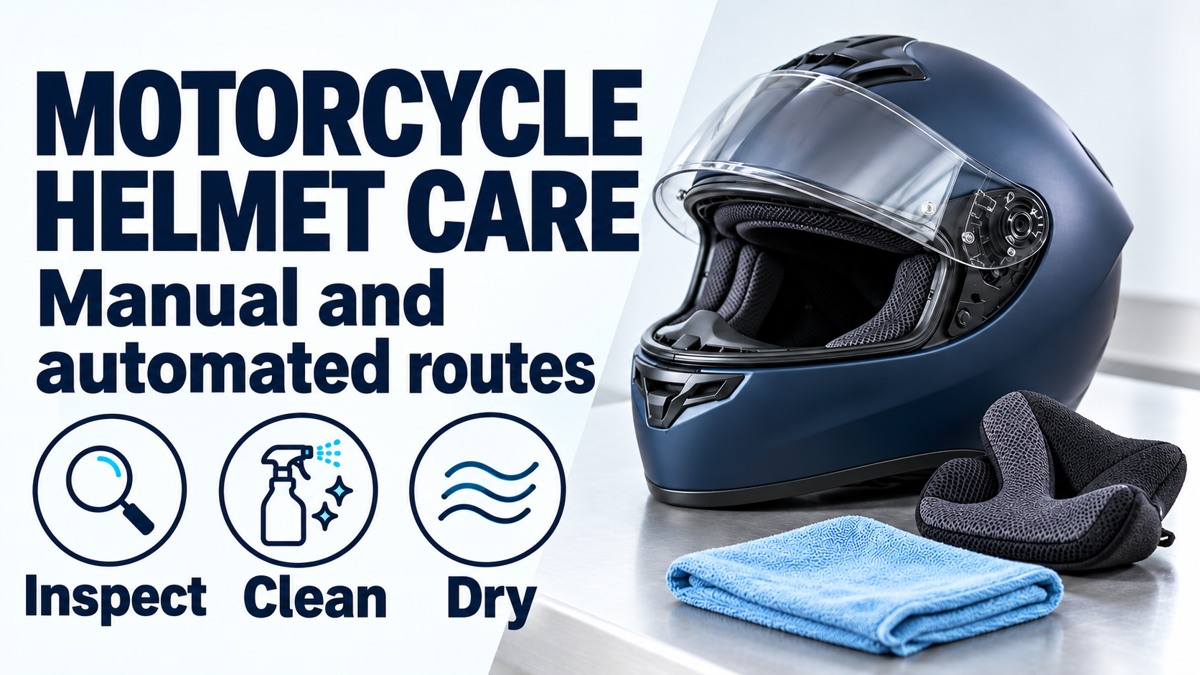
How to Clean a Motorcycle Helmet: Manual vs Automated Process
Follow a motorcycle helmet's care instructions, separate washable pads from fixed parts, and compare manual cleaning with a documented automated process.
Read article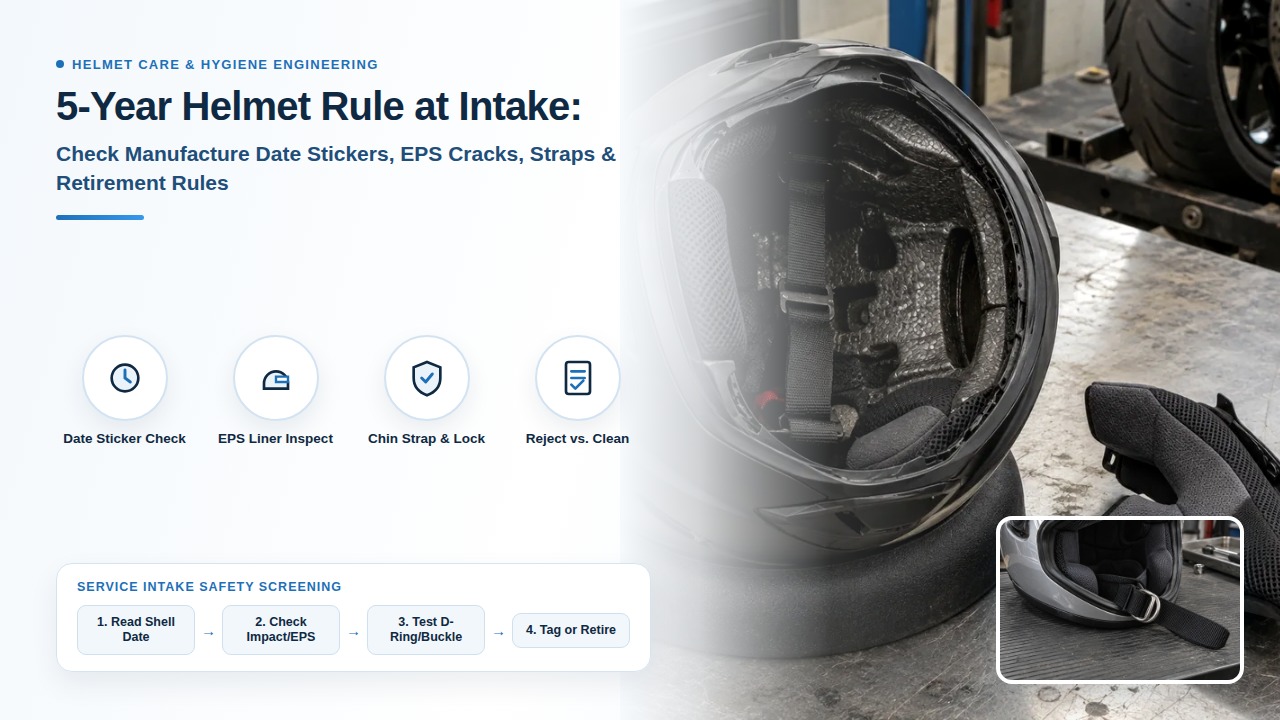
The Five-Year Helmet Rule: Check Dates and Retirement Instructions Before Cleaning
Separate manufacture, purchase, first-use, warranty and replacement dates before accepting an older helmet for cleaning, using a date-source intake register.
Read article