Helmet Cleaning Machine Rental: Terms to Compare Before a Site Trial
Compare equipment rental and purchase for a helmet cleaning site trial, including ownership, transport, maintenance, payment records and return terms.
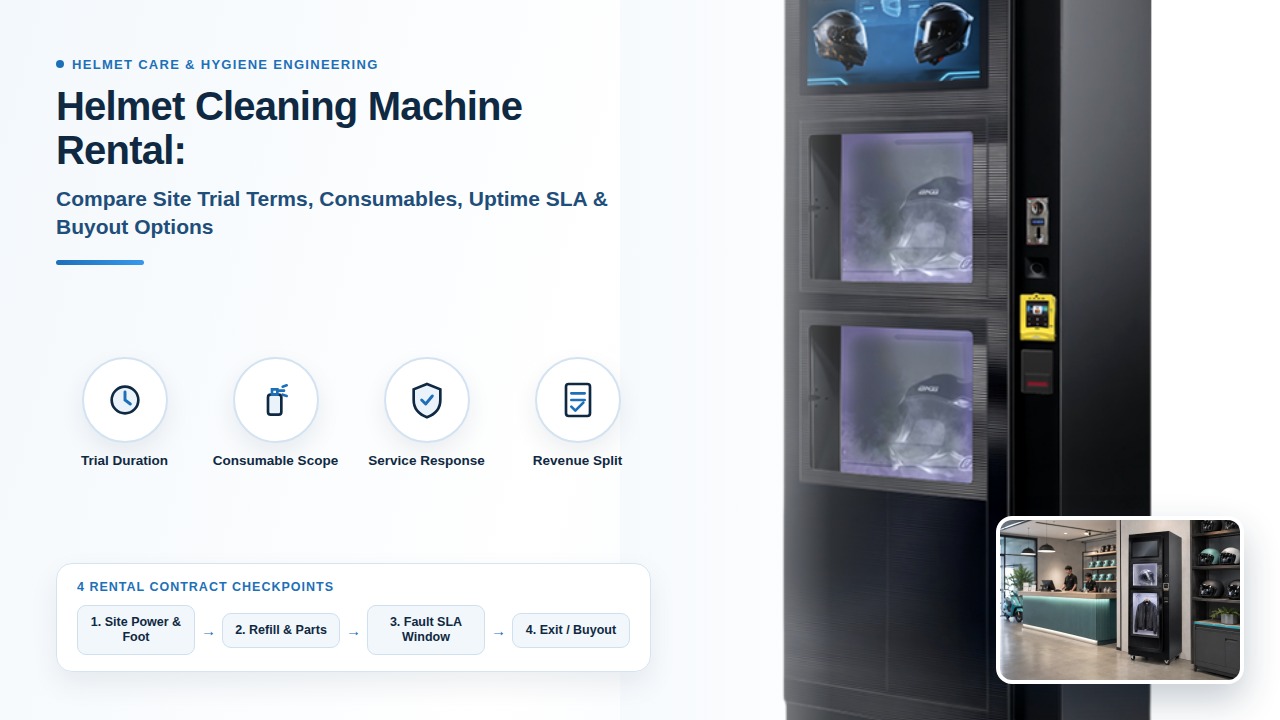
A short equipment trial can leave you paying for transport, downtime and return work after the site stops earning. Compare a helmet cleaning machine rental proposal with a purchase proposal by assigning those responsibilities before accepting either arrangement.
Equipment rental means temporary access to the machine under agreed terms; it is separate from renting helmets to riders or renting floor space. HCE does not publish a rental offer here. Ask which supply arrangement is available for your project, then use the comparison below to identify the written terms still needed.
What does an equipment rental proposal actually cover?
Start with the equipment, period and ownership terms, rather than the payment headline. A useful proposal identifies the exact configuration and the events that start and end the chargeable period. Compare proposals against the same intended trial so an included service in one offer is not mistaken for a lower price in another.
| Input or item | Value or source to obtain | Why it matters |
|---|---|---|
| Equipment scope | Configuration and inventory in the proposal | Defines what arrives and what must be returned |
| Trial period | Proposed dates and charging events | Separates delivery, commissioning and operating time |
| Ownership | Written rental or purchase terms | Identifies title and control at the end |
| Delivery and removal | Itemized responsibilities and charges | Makes a short trial’s logistics visible |
| Service and consumables | Included tasks, exclusions and responsible party | Prevents gaps during operation |
| Exit | Notice, collection and condition-acceptance terms | Defines how obligations end |
Use the self-service equipment guide to establish the proposed machine configuration. Its project-dependent payment and monitoring options are questions to resolve in the order, not automatic inclusions in a rental agreement.
A rental proposal might leave ownership with the supplier while a purchase proposal transfers it on agreed conditions. Record what each actual proposal says; do not infer title, a buyout option or a right to return purchased equipment from the words “trial” or “pilot.” A demonstration is another arrangement again: ask whether it permits paid operation at your site and what happens if the proposed use changes.
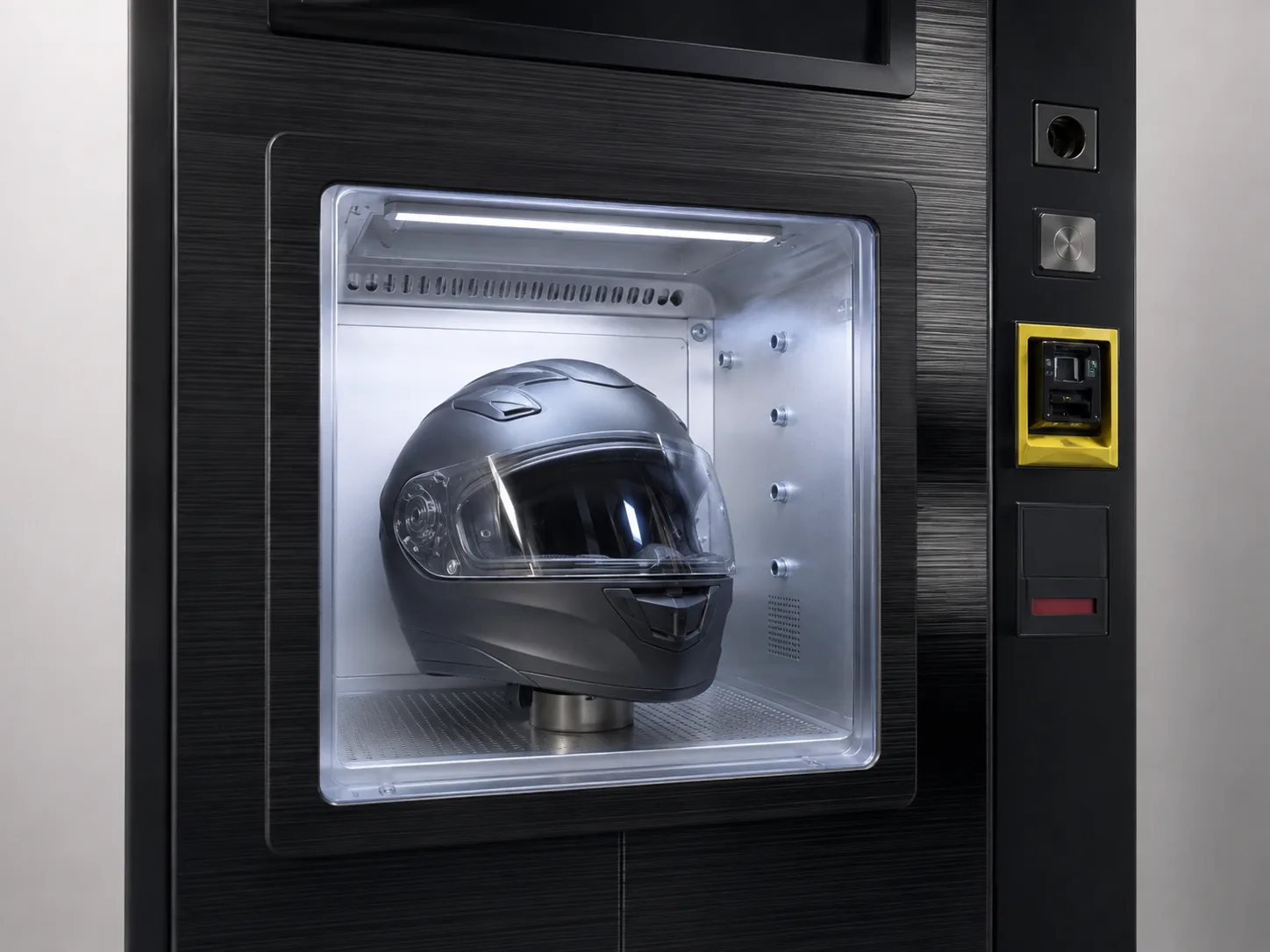
Takeaway: Compare the same equipment and trial scope before comparing payments.
Who is responsible during the trial?
Assign delivery, installation, daily care and fault response to named parties in the proposal. Equipment ownership alone does not tell the operator whom to call or who pays for work. The following matrix is a discussion checklist: fill it from the offered terms rather than treating any allocation as standard practice.
| Responsibility | Rental proposal: record the answer | Purchase proposal: record the answer |
|---|---|---|
| Period and charging events | Dates; charge start and stop; extension approval | Delivery and acceptance dates; payment events |
| Ownership and permitted use | Owner; authorized site and operator; relocation approval | Title-transfer conditions; use restrictions |
| Freight and receipt | Outbound payer; unloading; receipt-condition sign-off | Freight scope; delivery acceptance |
| Installation | Who prepares the site and commissions the configuration | Included installation or buyer-arranged work |
| Consumables | Approved materials; supply and replenishment owner | Supply plan and operator responsibilities |
| Routine maintenance | Included visits; operator checks; access arrangements | Maintenance scope and service contact |
| Breakdown | Fault reporting; repair authorization; charge treatment during interruption | Warranty scope; service charges; repair authorization |
| Damage or loss | Condition record; responsibility; proposed insurance terms | Buyer responsibilities and applicable cover |
| Payment integration | Provider validation; merchant account; integration and ongoing fee payer | Same questions for the purchased configuration |
| Record control and retention | Authorized controller; access, retention and transfer terms; exit owner | Configuration-specific access and retention responsibilities |
| End acceptance | Condition reviewer; outstanding charges and complaints; completion record | Delivery acceptance and site-closure responsibilities |
| Removal and return | Packing; collection; inspection; completion event | Removal, relocation or disposal plan if the site closes |
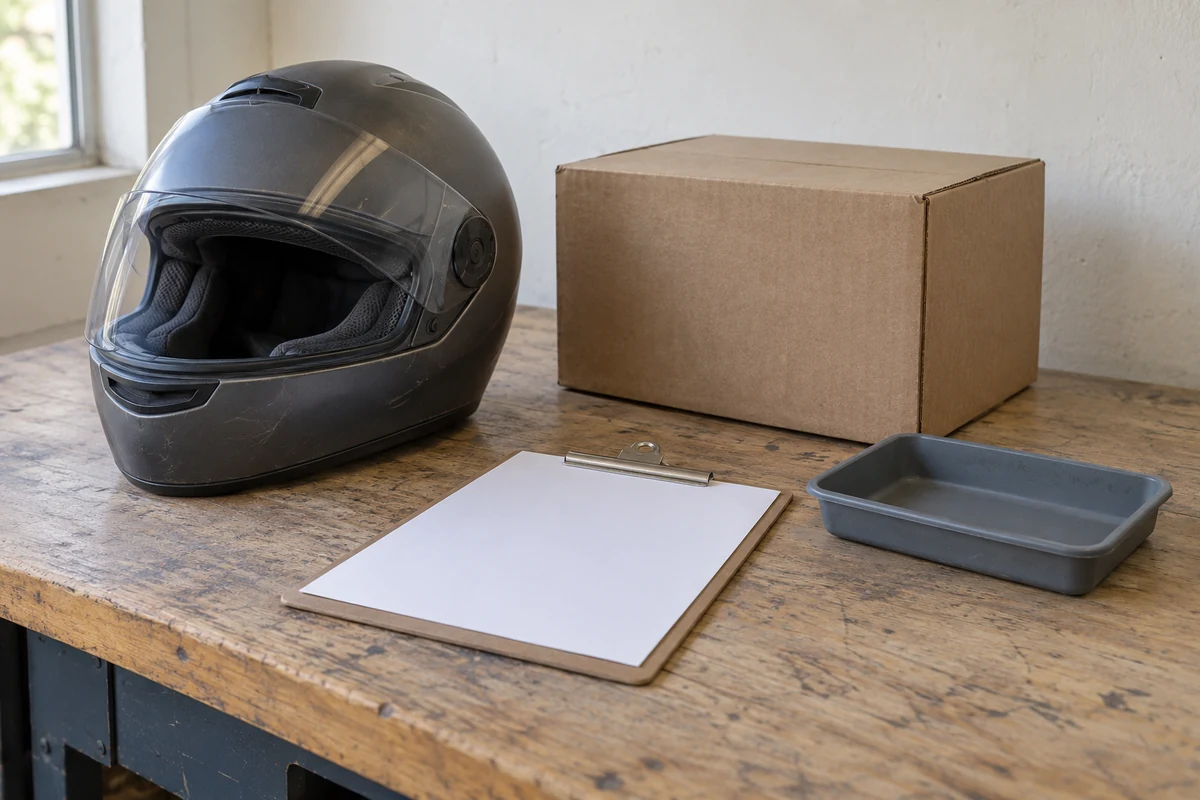
Make the machine inventory specific enough to reconcile at receipt: cabinet identification, keys or access devices, included accessories, supplied documents and the condition photographs agreed by the parties. Keep the inventory with the proposal and annotate any mismatch before recording acceptance. This is a proposed record format, not an HCE delivery checklist or a claim about included accessories.
For configuration comparisons, the equipment types guide separates machine functions from staff tasks. The maintenance planning checklist helps identify the work that your responsibility matrix needs to allocate.
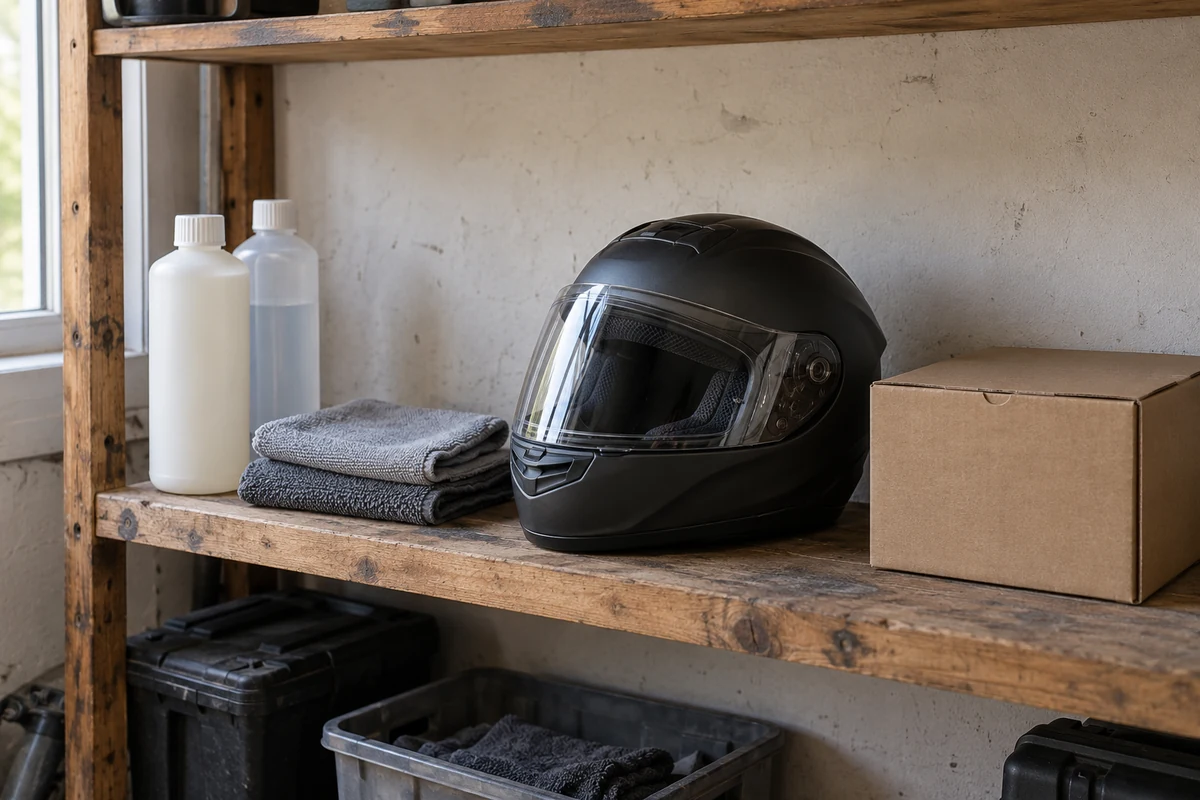
Common mistake: Reading “maintenance included” as coverage for every task. Ask which checks, consumables, visits, faults and parts the proposed service actually includes.
Takeaway: Put the responsible party, scope and charging basis beside each task.
How will payment and records be handed over?
Agree the merchant account, payment-provider validation, refund authority and access to operating records before paid use. A working payment device does not settle who receives money or who retains access when the equipment leaves. Treat those as separate operating and contractual decisions, with a named owner for each unresolved item.
The commercial selection guide provides a broader demonstration framework. For a trial, adapt the demonstration to the actual provider and include an interrupted or failed transaction using the approved procedure. Record the result and the support route rather than assuming that a successful payment proves every part of the customer journey.
| Handover item | Record before operation | Record before access ends |
|---|---|---|
| Payment account | Account holder and settlement recipient | Outstanding transactions and authorized follow-up |
| Refunds | Who approves and processes them | Responsibility for unresolved complaints |
| Machine and dashboard access | Authorized users; functions included in the configuration | Access revocation and account handover |
| Operating records | Available fields; authorized control, access, retention and export terms | Retention or transfer authority; recipient; outstanding-records owner |
| Subscriptions | Payer; start event; cancellation conditions | Stop request and confirmation |
Do not promise a dashboard export or automatic deletion: first establish which features exist for the quoted configuration. If record access is unavailable, decide whether an operator-held log can answer the trial’s questions. Avoid collecting customer information just because a field is available; agree the necessary record scope and applicable responsibilities with the account owner.
The helmet cleaning SOP guide addresses intake and release around the machine. Keep that procedure attached to the trial plan, particularly where a customer may pay before staff can identify an excluded helmet.
Takeaway: Resolve payment ownership and record access independently of equipment ownership.
What happens when the trial ends?
Specify the notice process, last operating date, packing, collection and return inspection while negotiating the trial. A calendar end date does not by itself explain when billing or responsibility stops. Ask how the proposal handles a delayed pickup, a disagreement about condition or unfinished refund work.
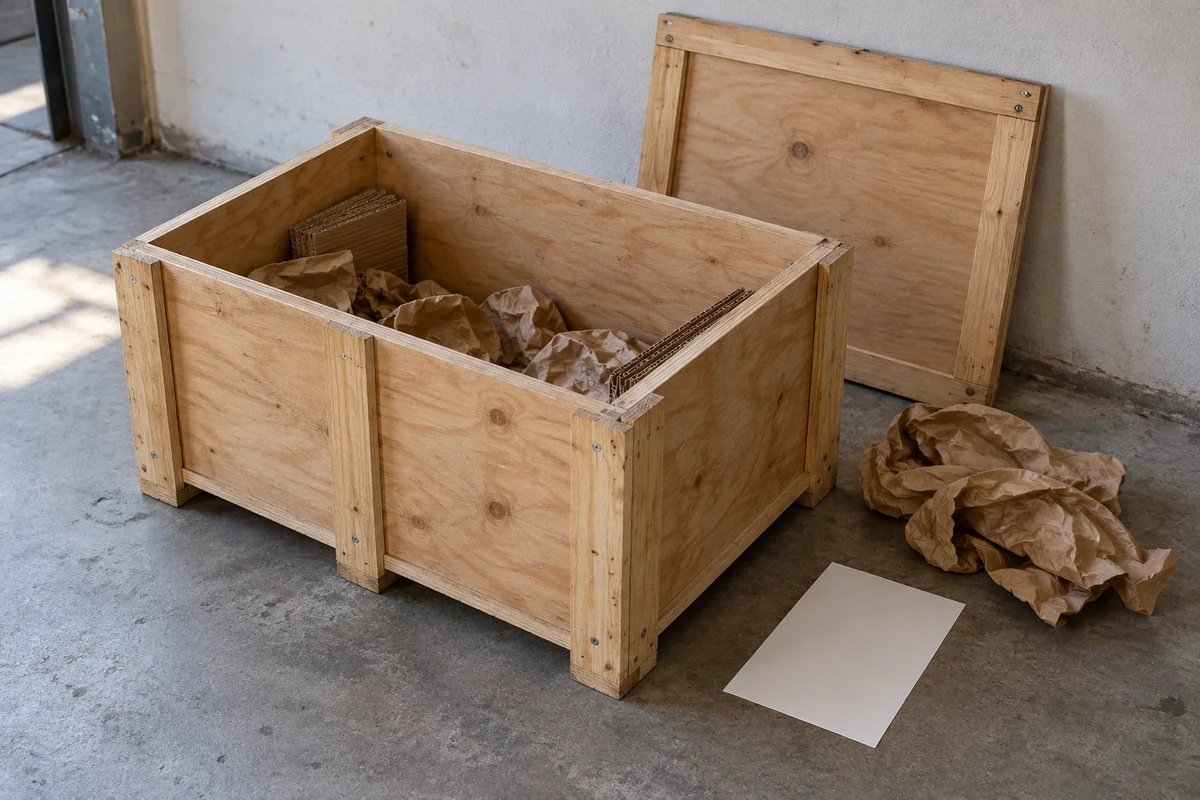
Ask for the proposed end-of-trial acceptance record. Useful fields include the machine identification, included items returned, observed condition, outstanding faults, collection arrangements, agreed charges and the party confirming completion. Compare the return observations with the receipt record. Do not label a condition change as damage or normal wear until the responsible parties apply the agreed terms.
| Exit question | Written answer to obtain |
|---|---|
| Can the trial end early? | Notice route, conditions and any charge basis |
| Can it be extended? | Approval process and revised period or charges |
| Can the machine be bought? | Whether an option exists and its separately agreed terms |
| Who packs and collects it? | Instructions, transport responsibility and access appointment |
| When do charges stop? | The agreed event and handling of collection delays |
| What closes the arrangement? | Return acceptance, remaining charges and deposit reconciliation if applicable |
For equipment costs outside this comparison, use the configuration-based price guide. It explains quotation inputs; it does not establish rental fees, refundable deposits or cancellation terms.
Common mistake: Ending the site trial without ending the equipment obligations. Record notice, collection, account changes and acceptance as separate actions.
Takeaway: Define the completion event and the evidence that each party will keep.
When this comparison does not apply
This checklist covers equipment access for a site trial, not helmet hire to customers, a location lease, financing, franchise rights or a legal interpretation of a contract. If a proposal combines these arrangements, separate their scope and charges before deciding. Have the appropriate adviser review terms that require legal or insurance judgment.
- Helmet hire to riders → use the customer-service terms for that business.
- Floor-space rent or revenue share → keep it in the separate location agreement.
- Finance or franchise rights → obtain the specific agreement and appropriate advice.
- A demonstration without paid site use → confirm its permitted use before treating it as an operating trial.
No trial duration, deposit, rental rate, insurance cover or buyout arrangement is assumed here. Availability is a question for the actual provider. Likewise, the ability to obtain a machine does not establish helmet compatibility or permission to operate at the intended site.
The business planning guide covers site demand and operating responsibilities. Use it for the operating experiment while keeping this page’s equipment ownership and exit questions in a separate proposal record.
Takeaway: Separate equipment terms from site, customer and financing arrangements.
Prepare a trial decision record
Finish with a record that marks each term as answered, unresolved or excluded, together with its responsible party and supporting document. An unresolved return charge or maintenance responsibility should remain visible when comparing proposals. A blank field means an answer is missing; it does not mean that a service is free or included.
Use this suggested summary after completing the responsibility matrix. Keep rental and purchase answers side by side; assign unresolved equipment, site and payment questions to the party who can supply the missing document.
| Decision-record field | Entry to complete |
|---|---|
| Proposal identity | Provider; proposal version and date; configuration; intended trial period |
| Term being compared | Responsibility or charge event; rental answer; purchase answer |
| Basis | Supporting proposal clause, technical document or account agreement |
| Status | Answered, unresolved or excluded; reason |
| Next action | Missing answer or document; responsible party |
| Decision | Selected arrangement, open conditions and person confirming the decision |
Do not treat an unresolved supply arrangement as an available rental offer. Confirm the arrangement itself before approving a site plan that depends on temporary equipment access.
Once those terms are known, the ROI input guide can help organize measured operating assumptions. Check that the model fits the actual arrangement; a purchase-investment example does not automatically model a rental contract or its exit charges.
Takeaway: Make a decision from answered terms and measured site inputs, not the word “trial.”
Method and sources
This is a proposal-comparison checklist based on HCE’s published business planning and self-service configuration guidance. The responsibility and handover tables are suggested discussion records, not offered contract terms. Use the dated proposal and applicable site documents for the actual arrangement; no rental availability, price or trial result is established by this checklist.
Frequently Asked Questions
How much capital is required?
Which daily volume should I use?
Is payback guaranteed?
Can the equipment accept QR or card payments?
Can it operate outdoors?
How often is replenishment required?
Discuss your requirements
Contact us about the equipment question in this guide.
We reply within 24 hours.
What to send us
| Item | Why we need it | Example format |
|---|---|---|
| Application | Understand the intended use | Site type; operating arrangement |
| Question to resolve | Focus the configuration discussion | Question; relevant guide section |
| Configuration and quantity | Identify the proposed equipment scope | Model; number of units |
We reply within 24 hours.
Related articles
Helmet Cleaning Machine Supplier: Documents to Check Before a Sample or Deposit
Match the contracting party, quoted configuration, evidence and warranty duty to the actual files before you approve a sample or a deposit.
Read article
How to Clean a Football Helmet: Team Equipment-Room SOP
Run a football helmet cleaning and sanitizing SOP with component checks, disinfectant label decisions, batch planning and a downloadable team care log.
Read article
How to Clean a Motorcycle Helmet: Manual vs Automated Process
Follow a motorcycle helmet's care instructions, separate washable pads from fixed parts, and compare manual cleaning with a documented automated process.
Read article